Ilorin Ramadan timetable 2027: Iftar and Suhoor times
What the Ilorin Ramadan timetable 2027 shows
The Ilorin Ramadan timetable 2027 sets out, for each day of the fasting month, when Suhoor must end before dawn and when Iftar begins at sunset. The first fast, expected on Monday 8 February, runs from 05:50 to 18:50 in Ilorin, 13 h 00 min in all.
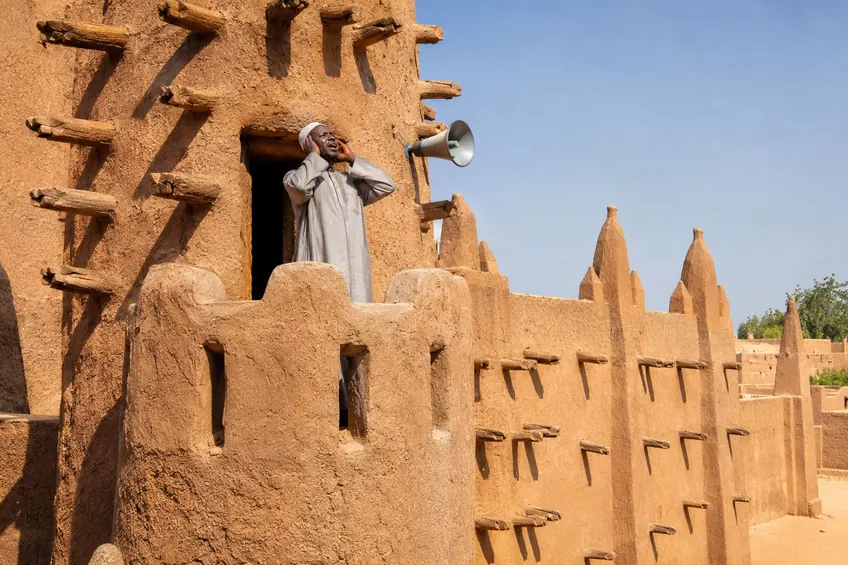
After dark in Ilorin: markets, errands and gatherings
Evenings tend to be lively once the fast is broken, with traders staying open, families visiting and neighbourhoods filling with people. Do your shopping after Iftar if you can, mind the traffic around busy junctions, and keep prayer times in view.
Typical timing questions from readers in Kwara
Readers often ask why Fajr seems early, whether Ilorin differs from Lagos, and which time to trust. Cities in different states do vary slightly, so use the live timetable set to Ilorin and stay consistent with your mosque's call.
Mosques, communal Iftar and Taraweeh in the city
Ilorin has many mosques, and several host shared Iftars and nightly Taraweeh. Arrive early on busy evenings, bring a prayer mat, and respect each congregation's customs on recitation length. Central mosques are especially crowded at weekends and in the last days.
Being a good neighbour to people who fast
Ilorin is home to people of different faiths, and mutual courtesy matters. Colleagues can avoid eating loudly in front of fasting friends, adjust meeting times when possible, and exchange greetings, which are warmly received at Iftar time and Eid.
Crescent sighting and Nigerian announcements
The month begins when the new moon is sighted and confirmed by the recognised national Islamic leadership, so local dates may differ by a day from other countries. Expect roughly 8 February 2027, and check community announcements for the final word.
Shopping for food and Ramadan staples
Markets in the city stock grains, dates, fruit, spices and meat in abundance, with prices often shifting early in the month. Buy dry goods ahead, compare vendors, check where meat comes from, and share any surplus with neighbours who need it.
Opening your home to guests and neighbours
Inviting relatives, friends and neighbours to Iftar is a treasured custom. A modest meal shared with warmth is enough, and sending a plate to those unable to attend helps spread the blessing of the month across the street.
Heat, dust and drinking enough
February falls in the dry season, when hot days and harmattan haze can leave you parched. Drink water and fruit juices after Iftar, avoid heavy work at midday, cover your face against dust, and see a doctor if you feel unwell.
Steady daylight near the equator belt
Ilorin lies in Nigeria's warm tropical belt, where day length changes very little through the year. Fasting hours stay almost constant across the month, without long summer stretches or dramatically short winter days. Consult the live timetable for exact times.
Making up fasts you missed
Record every missed day and finish the make-up fasts before the next Ramadan arrives. Since daylight varies so little here, any time of year works, and consulting a scholar is wise if illness makes full compensation impractical for you.
Attention, reading and screens in the month
Try to set aside regular time for Quran, supplication and silence, and to limit time on social media while praying. Switching off notifications during Taraweeh and in the last hour before sunset makes the evenings feel noticeably calmer.
Staying fit without wearing yourself out
Football on a dusty pitch at noon is a bad idea while fasting. Move any exercise to the cooler period after Iftar, keep sessions light, rehydrate steadily, and pause at once if you feel dizzy or unusually tired.
Helping children fast gently
Introduce fasting gradually, perhaps for half a day at first, and reward effort rather than perfection. Keep school-age children well fed at Suhoor, avoid hot afternoons outdoors, and let them join in with cooking and sharing food with neighbours.
Fasting through work and school hours
Speak to employers and teachers before the month starts, and ask for tough tasks to be scheduled in the morning. Many offices shorten the day slightly, and a brief nap after Dhuhr can make the afternoon more manageable.