Ibadan Ramadan timetable 2027: Iftar and Suhoor times
What the Ibadan Ramadan timetable 2027 shows
The Ibadan Ramadan timetable 2027 tells you when to stop eating at Suhoor and when to break the fast at Iftar on each of the 29 or 30 days. It opens on the expected first day, 8 February, with Fajr at 05:52 and Iftar at 18:54 in Ibadan.
If this is your first Ramadan
New to fasting? Begin with a sincere intention, eat a steady Suhoor, drink water, and save your energy for the day ahead. Learn the prayers one at a time, and ask a patient friend or imam for help whenever something feels unfamiliar.
Steady days near the equator
Ibadan lies close enough to the equator that daylight changes very little across the year, so the fast feels similar in length from the first day to the last. Daily shifts are tiny, yet the live timetable still gives you the exact timings.
Visiting a mosque in the month
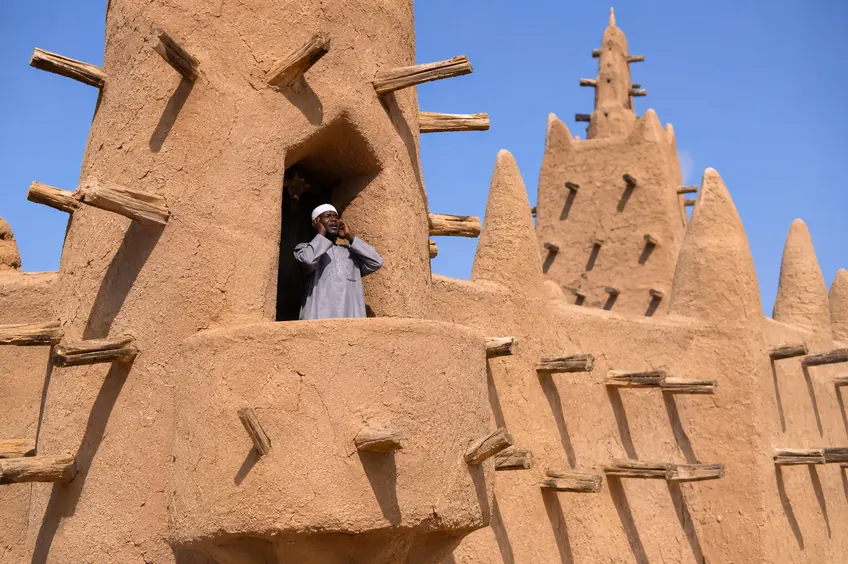
Guests are usually welcome at Ibadan's mosques, especially at Iftar and Taraweeh. Dress modestly, remove your shoes, greet people courteously, and sit where you are directed. If invited to eat, accept with gratitude, and avoid taking photographs without asking first.
Eid prayers and festive mornings
Once the crescent has been seen, Eid al-Fitr should be celebrated on or near 9 or 10 March 2027. Many families wear new clothes, gather at the Eid ground, greet each other warmly, and share rice, stews and sweet drinks at home afterwards.
Evenings in busy markets and streets
Once Iftar is over, markets, roadside stalls and neighbourhood gatherings come alive with food, conversation and shopping for Eid. Go early to avoid the crowds, bargain kindly, protect your valuables, and remember that Suhoor comes quickly after a late night.
A calm mind in a lively city
The city is lively, and phones add to the noise. Silence group alerts during prayer and Suhoor, keep a notebook beside your bed, and set one achievable goal, perhaps a regular dhikr after each prayer. Modest habits usually last longer than grand resolutions.
Breaking the fast together
At home or in the compound, Iftar often starts with dates or water and a brief supplication, then the sunset prayer, then a hearty meal. Neighbours trade dishes freely, and mosques sometimes feed passers-by. Share what you can, even if it is only a few dates.
Resting well in warm nights
The warm climate and late prayers can make sleep elusive. Wind down after Taraweeh, keep the bedroom ventilated, take a short nap after Dhuhr if possible, and avoid heavy meals just before bed. Your body will usually settle into the new routine within days.
Colleagues and friends of other faiths
Ibadan's workplaces and schools bring Muslims, Christians and others together. Explain that you will be fasting, welcome colleagues to join an Iftar, and be gracious if meetings run over. Mutual courtesy keeps teams happy and shows others the generous spirit of the month.
Preparing the household before Ramadan begins
Use the last days of Shaban to buy grains, beans, palm oil, fruit and dates, mend or clean the prayer space, settle debts if possible, and talk through the family timetable. If power supply is unreliable, arrange lamps and a charged phone.
Study, exams and the fasting student
With a large student population, Ibadan often sees exams fall during Ramadan. Study just after Fajr and again after Iftar, keep snacks simple, sleep in short blocks, and speak to lecturers early about any clash. Prayer and revision can support each other.
Suhoor meals for the long morning
Pap with milk, beans, yam, eggs, oats, plantain or fruit can keep hunger at bay, and plenty of water is just as important. Limit very salty or sugary dishes, eat unhurriedly, and stop at the Fajr limit shown in the live timetable.
Making up missed days in a practical way
Keep a simple record of any fasts you missed because of illness, travel or other valid reasons. Plan the make-up days soon after Eid, perhaps on Mondays and Thursdays, and consult your imam if you are unsure how to calculate the number correctly.
Traffic and travel during Ramadan
Roads around markets and mosques can clog before sunset as everyone hurries home. Start journeys earlier, avoid unnecessary trips near Iftar, and keep dates in your bag for the road. Check bus park and shop hours, which often change during the month.