Erbil Ramadan timetable 2027: Iftar and Suhoor times
What the Erbil Ramadan timetable 2027 shows
The Erbil Ramadan timetable 2027 gives the two times that frame every fast: the end of Suhoor at Fajr and Iftar at Maghrib. On the expected first day, 8 February, they fall at 05:32 and 17:37 in Erbil; on 8 March they stand at 05:00 and 18:05.
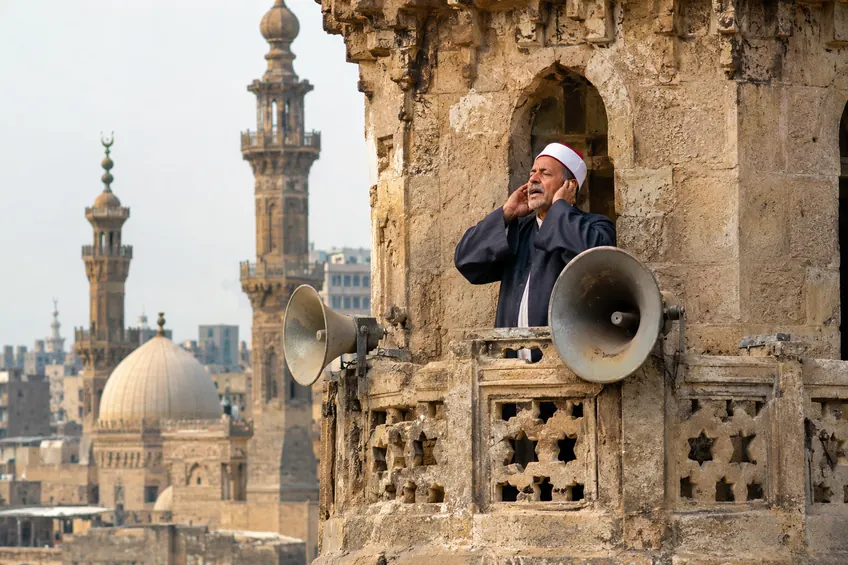
Itikaf in Erbil's mosques
Itikaf is a period of withdrawal into the mosque for prayer and recitation, usually the last ten nights. In Erbil, it is arranged with the imam, and space can be limited. Bring bedding and food, keep to the mosque's rules, and attend as long as you can.
Suhoor dishes for a cool winter morning
Winter in northern Iraq calls for warm, filling food: lentil soup, eggs with bread, cheese and olives, and a bowl of yoghurt. Dates and tea suit the hour. Drink water gradually, and avoid very salty pickles that make the afternoon harder.
Shorter winter days and the gradual change
In February, the sun rises late and sets early, so the fast is shorter than in a summer Ramadan. Days lengthen slowly as the month proceeds. Mornings can be cold, which helps with thirst, but check the live timetable for the shifting minutes.
Keeping the timetable on your phone or fridge
Print the Arbil timetable for the kitchen, save a screenshot on your phone, or add phone alarms for the dawn and sunset prayers. Offline copies are helpful when the connection fails. Remember to check the live timetable occasionally, because last-minute changes in moon sighting can shift the calendar.
Typical questions about Erbil timings
Readers often ask which method the timetable follows, whether to stop eating at the first call or at Fajr itself, and how to treat cloudy skies. Follow the guidance of your local mosque and treat the live timetable as a planning tool.
Reading the Erbil live timetable
The live timetable shows every daily prayer along with sunrise. Fajr is the cut-off for Suhoor, and Maghrib marks Iftar. Look at it each evening, and note that times in Erbil follow local time, which stays the same through the whole month.
Taraweeh nights
Taraweeh follows Isha, and in winter it begins early enough for families to attend without a late finish. Large mosques may have a full courtyard, so arrive early. Keep children close, wear warm clothes for the walk home, and silence your phone.
The week before Ramadan
Use the last week of Shaban to stock the pantry, prepare the house, and agree who will cook and who will clean. Ask about the mosque's schedule, settle outstanding fasts, and set a sleep pattern that makes the first nights easier.
Du'a and sunnah at dawn and sunset
Make an intention before Fajr, open the fast with fresh or dried dates and water, and offer a brief du'a before the meal. Many families also pray Maghrib promptly, then return to the meal. These simple customs shape the whole evening.
Workdays and shortened hours
Offices, banks and schools often adjust their hours. Plan important meetings for the morning, avoid heavy lifting late in the day, and rest during breaks. Explain your needs to your manager in advance, and be flexible with colleagues who are not fasting.
Welcoming guests for Iftar
Kurdish hospitality is famous, and an invitation to break the fast is a real honour. Prepare plenty, keep the first course light, and begin on time. Guests might bring sweets or fruit, and neighbours often exchange small dishes.
Children and the family rhythm
Let children take part gradually, with a short fast on weekends and a role at the table. Keep bedtime reasonable, protect school work, and avoid scolding a child who cannot continue. Family warmth matters more than strict perfection.
Exercise and the fasting body
Gentle walking or stretching is fine, ideally in the hour before Iftar or after a light meal. Avoid hard training during the fast. Drink water between sunset and bedtime, and stop if you feel dizzy. Check with a doctor first if you have a condition.
Illness, age and hospital visits
Those who are ill, elderly, pregnant or on regular medication should seek medical advice about fasting. Islam allows exemptions and later make-up days. Hospitals in the city can advise on adjusting medicine times, and no one should risk their health.