Nasiriyah Ramadan timetable 2027: Iftar and Suhoor times
What the Nasiriyah Ramadan timetable 2027 shows
The Nasiriyah Ramadan timetable 2027 gives the two times that frame every fast: the end of Suhoor at Fajr and Iftar at Maghrib. On the expected first day, 8 February, they fall at 05:20 and 17:36 in Nasiriyah; on 8 March they stand at 04:54 and 17:58.
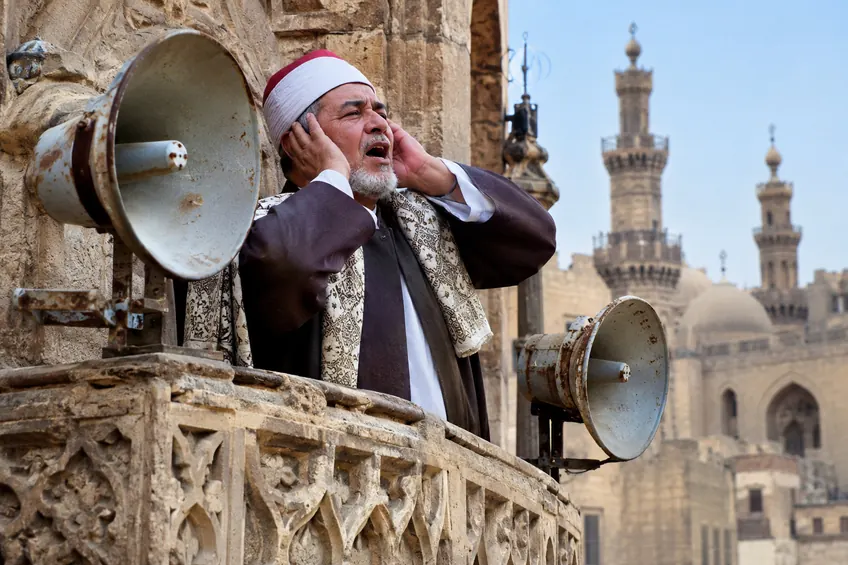
Welcoming guests to a shared table
Hospitality runs deep in southern Iraqi households, and a neighbour at the Iftar table is always a welcome sight. Cook what you can comfortably manage, offer tea and sweets afterwards, and make sure guests who are travelling or alone feel included.
The final ten nights and the search for Laylat al-Qadr
Many people devote the closing ten nights to extra prayer, Quran and du'a, especially the odd-numbered ones. Nap in the afternoon if you can, and agree early with family who will keep watch, so that worship is calm and unhurried.
Visiting a Nasiriyah mosque as a guest
Visitors to a Nasiriyah mosque should wear modest clothing, take off their shoes at the entrance, and speak softly. Women should check where the prayer space is. In the evenings worshippers are many, so ask politely before taking photographs. Courtesy matters more than perfect knowledge of customs.
Readers' usual questions about Nasiriyah timings
Visitors wonder whether Nasiriyah differs from Baghdad or Basra, and why timings drift daily. Small gaps arise because each place meets the sun at a slightly different moment. Let the live timetable guide you here, and note your local mosque's call.
Work, school and the fasting day
Offices and schools often adjust their routines in Ramadan, so ask about changed hours early. Do demanding tasks in the morning when you have most energy. If your job is physical, take breaks in the shade and drink generously once the sun sets.
Zakat al-fitr and giving in the month
Zakat al-fitr is a modest required donation, handed over before the Eid prayer so that poorer families can celebrate too. Many households add voluntary charity throughout Ramadan. Give through someone you trust, and do it early so recipients can plan.
Dry heat, water and energy through the fast
Southern Iraq is known for heat and dryness, though February is milder than summer. Drink steadily after Iftar, choose fruit and soups, and avoid long periods outdoors. Speak to a doctor if you take regular medication or have a chronic condition.
Iftar tables at home and in the neighbourhood
Dates and water usually open the meal, followed by soup, rice, and stews for the main course. Neighbours often exchange plates. Community tables may be set up near mosques. Eat slowly and leave room for prayer, instead of overloading after the long day.
Moving around the city before Maghrib
Roads are busiest just before sunset, when everyone heads home. Plan errands for the morning, or wait until after Iftar. Shops and offices may open and close at different hours, so call ahead if you need a particular service.
Preparing in the last week of Shaban
Use the days before Ramadan to settle your routine: shop for staples, repay any missed fasts from the last year, and set a Quran plan. Agree on cooking duties at home. A calm preparation makes the first fast much smoother.
What sets Nasiriyah apart from other southern cities
Nasiriyah's Ramadan is shaped by its river-plain setting, tribal and family bonds, and strong local hospitality. Nearby cities share much of the same culture, yet each has its own mosques and habits. Ask a local friend what is special in your neighbourhood.
If sunset catches you on the road
Keep a few dates and a bottle of water in your car or bag, so you can break the fast on time. Stop somewhere safe rather than rushing to arrive. Offer a share to anyone near you, a small kindness with big reward.
A first Ramadan for new Muslims
For someone fasting for the first time, simple preparation is best: wake for Suhoor, make the intention, and end the fast with dates and water. Ask a mosque or trusted friend for help. Do not worry about getting everything right immediately.
Daylight across the month in southern Iraq
Days grow gradually longer between February and March, so the fast at the end is a little longer than at the start. The change is gentle and steady. Rather than memorising one day's times, glance at the live timetable each morning.