Qom Ramadan timetable 2027: Iftar and Suhoor times
What the Qom Ramadan timetable 2027 shows
The Qom Ramadan timetable 2027 lists Iftar and Suhoor times for the whole month, from the first fast to the last. On Monday 8 February Suhoor ends at 05:34 and Iftar comes at 17:42 in Qom; on day 29 the fast lasts 13 h 04 min.
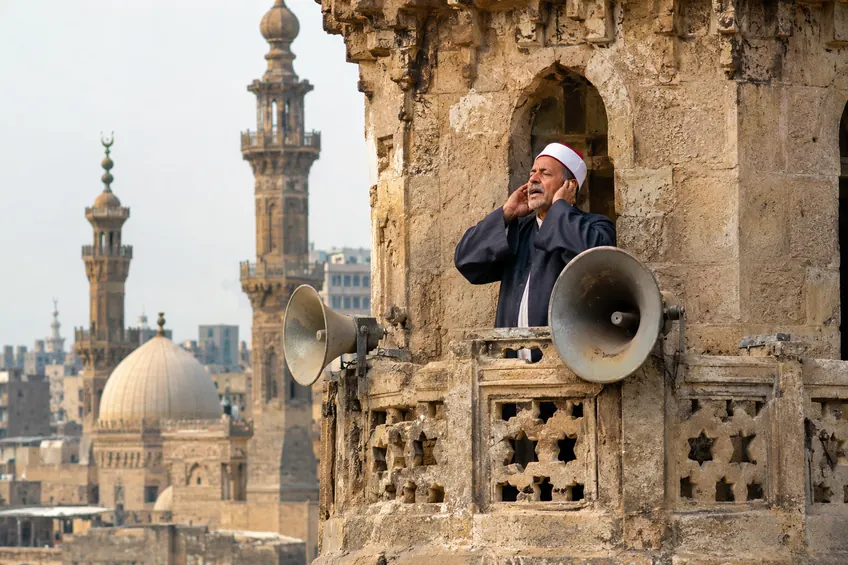
Nights of Qadr in a pilgrimage city
The odd nights near the end of Ramadan, especially the nineteenth, twenty-first and twenty-third in Shia practice, are marked with Quran recitation, supplication and vigils. Qom's religious atmosphere makes them especially moving, so plan rest in the days before and confirm local gatherings.
Bringing children along without pressure
Children can take part by waking for Suhoor, helping at the Iftar table and fasting for a few hours. Praise effort instead of counting hours, share simple stories about generosity, and check with a paediatrician if a child has any medical condition.
What the Qom live timetable shows
The live timetable lists the day's prayer moments for Qom, including Fajr, which ends Suhoor, and Maghrib, which begins Iftar. Shia communities often observe a slightly later Maghrib than other schools, so rely on the Qom setting and your own marja's guidance.
Staying rested between Suhoor and the late evening
Late dinners, night worship and early meals can shorten sleep. Go to bed soon after the evening prayers when you can, take a brief afternoon rest, reduce caffeine, and expect your body clock to adjust after the first week of the month.
After Iftar in the bazaars and streets
Evenings bring families to the bazaar for sweets, nuts and household shopping, and streets stay busy into the night. Go early if you dislike crowds, keep an eye on children, dress for cool desert air, and leave time to sleep before Suhoor.
Fasting in a dry, desert-edge climate
Qom lies on the edge of Iran's central desert, so the air is dry and winter nights are cold. Drink water regularly between Iftar and Suhoor, include fruit and soup, avoid very salty food, and ask a doctor for advice on medication timing.
Seminary, university and exam schedules
Students in Qom's seminaries and universities often juggle lessons with revision. Study in the hours after Suhoor when you feel fresh, keep Iftar light before evening classes, plan short naps, and tell supervisors about any scheduling conflict early rather than at the last moment.
Typical timing questions in Qom
Readers often ask why Iftar here may be later than a Sunni neighbour's calendar or why a mobile app shows a different minute. The explanation is usually a different calculation convention, so follow your preferred authority and use the live timetable consistently rather than switching sources daily.
Suhoor foods that suit cold mornings
Warm bread with cheese, walnuts, dates, eggs, tea and a bowl of soup or porridge is a satisfying pre-dawn meal. Include fibre and protein, sip water slowly, keep sweets modest, and finish before the Fajr limit given in the live timetable.
How Qom differs from Tehran and Kashan
Qom's Ramadan has a pronounced devotional character, with its shrine, seminaries and visiting pilgrims shaping the rhythm of the month, while the capital feels busier and more commercial. Neighbouring cities have their own customs, so check local timings before travelling.
Medical needs, old age and exemptions
Illness, advanced age, pregnancy and travel can exempt people from fasting, and each case deserves a doctor's opinion. Afterwards, ask a trusted religious authority whether you should make up the days or give compensation, and never fast against medical advice.
Why prayer-time conventions differ
Calculation institutions set their own twilight thresholds for dawn and night prayers, and Shia and Sunni traditions also differ over Maghrib. A gap of a few minutes between sources is therefore normal. Select the convention you follow, and stay with it throughout the month.
Traffic, shop hours and the evening rush
Roads around the shrine and main squares tend to be congested near Iftar and again after dark, while many shops shift to later opening. Plan errands in the morning, avoid driving at sunset, and expect public transport patterns to differ from ordinary weeks.
Fitr and charity in a devout setting
Zakat al-fitr is paid before the Eid prayer, and Qom has many established charitable channels. Ask your marja's office or a trusted organisation how to give, include relatives and neighbours in need, and keep voluntary charity flowing throughout the whole month.