Karaj Ramadan timetable 2027: Iftar and Suhoor times
What the Karaj Ramadan timetable 2027 shows
The Karaj Ramadan timetable 2027 gives the two times that frame every fast: the end of Suhoor at Fajr and Iftar at Maghrib. On the expected first day, 8 February, they fall at 05:34 and 17:40 in Karaj; on 8 March they stand at 05:03 and 18:07.
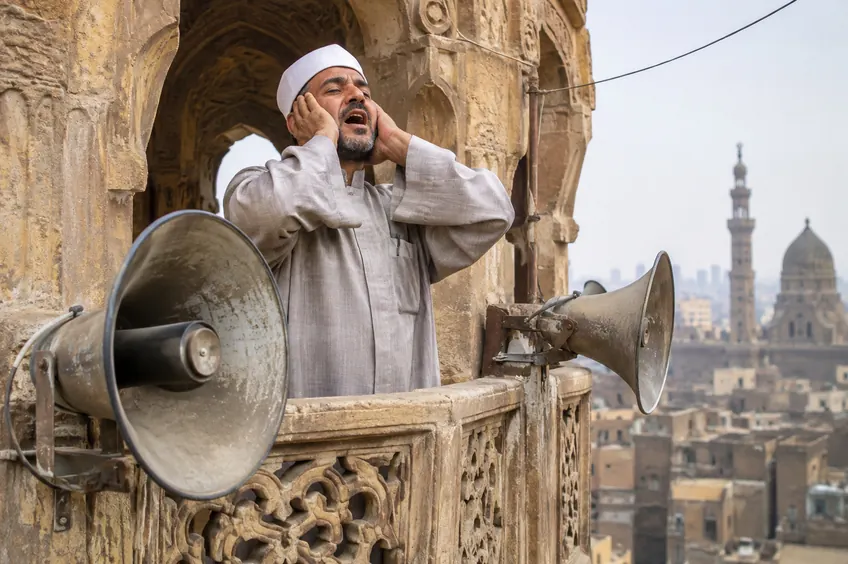
Muslim life in a city beside the Alborz mountains
Karaj has grown quickly as a neighbour of the capital, and its mosques, shrines and family gatherings reflect an Iran that is largely Shia. Religious customs are strong here, and many households keep Ramadan with a rhythm shaped by relatives and neighbours.
Making the most of the live timetable
The live prayer times are those of Karaj itself, so there is no need to borrow a figure from Tehran. Open it each evening to confirm the next morning's Fajr, and note that Iranian practice often treats Maghrib slightly later than sunset.
Taraweeh and night prayers in the Iranian context
Congregational practice around night worship differs between traditions, and many Shia Muslims focus on supplications, Quran recitation and special prayers instead of a fixed Taraweeh. Follow the guidance of your own scholar or local mosque and arrive in good time.
Sport and exercise during fasting hours
Karaj's cold winters and nearby mountain slopes tempt many people outdoors, but strenuous effort is best saved for after Iftar. Keep daytime activity light, protect yourself from the chill, and ask a doctor if you have any health concern.
University and exam periods
Students in Karaj often have a packed winter schedule, so decide in advance which study blocks belong to the quiet hours after dawn and which to the evening. Eat a balanced Suhoor, protect your sleep, and avoid late-night cramming.
Why prayer timetables disagree slightly
Calculation methods use different twilight angles and, for Shia practice, a slightly later Maghrib, so published times may differ by minutes. Pick the source your mosque or marja follows, and use the live timetable's settings as the guide for your own home.
If sunset arrives while you are travelling
Karaj sits on busy roads to the capital, so a journey can easily overlap with Iftar. Take dates and water in the car, stop at a rest area or mosque when the time arrives, and avoid rushing on the road.
Suhoor foods that keep hunger at bay
A traditional pre-dawn plate might include bread with cheese and walnuts, eggs, dates and tea, and many people add yoghurt or a hearty soup. Choose slow-release foods, avoid very salty dishes and drink water steadily until the Fajr time on the live timetable.
Quiet focus and healthier phone habits
Pick a few spiritual targets, such as finishing one reading of the Quran, reciting a daily supplication and calling elderly relatives. Mute notifications during prayer times, set limits on social media, and keep an evening hour free for reflection.
Balancing the working day with the fast
Offices usually follow shorter hours during Ramadan, but travel to or from Tehran can still stretch the day. Plan demanding tasks for the morning, keep lunchtime for rest, and head home early enough to break the fast with family.
Moon sighting and the date of Eid
Ramadan 2027 is expected to begin around 8 February, ending around 9 March, with Eid al-Fitr around 9 or 10 March. Final dates depend on moon sighting and official announcements, so keep the Karaj timetable as a guide and wait for confirmation.
Recording days you will need to make up
If you miss fasts through illness, travel or other valid reasons, count them at once and write the total down. Many people in Karaj make up the days before the next Ramadan, so a clear list is useful.
What sets Karaj apart from its neighbours
With the capital so close, many Karaj residents work or study in Tehran, and the daily pattern of Iftar reflects that commute. At the same time, local mosques and neighbourhood gatherings give the city its own, slightly calmer Ramadan character.
Evenings, bazaars and gatherings after Iftar
After Iftar, markets and sweet shops fill up, and many families visit relatives or attend religious gatherings. Traditional sweets such as zoolbia and bamieh are widely associated with Ramadan in Iran, though you should check opening hours and avoid overspending.