Khartoum Ramadan timetable 2027: Iftar and Suhoor times
What the Khartoum Ramadan timetable 2027 shows
The Khartoum Ramadan timetable 2027 is a daily schedule of Iftar and Suhoor times calculated for the fasting month, expected from 8 February to 8 March. Day one in Khartoum: Suhoor until 05:04, Iftar at 17:51, a fast of 12 h 47 min.
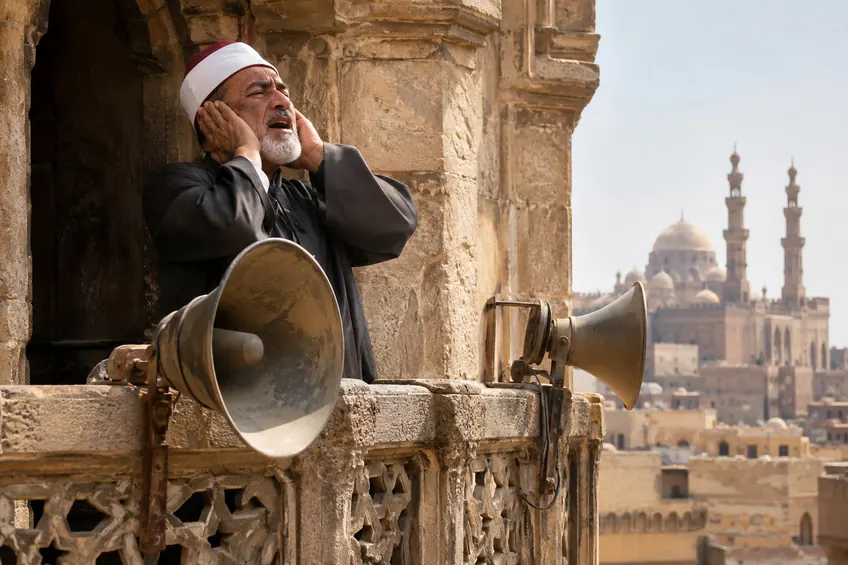
Where Khartoum's Muslim community comes from
Khartoum has long been a meeting point of peoples from across Sudan, brought together at the junction of the two Niles. Sufi traditions, family networks and neighbourhood mosques shape religious life. That mix gives Ramadan here a warm, communal character.
Getting ready in the last days of Shaban
Before the month begins, check your health, stock staples, and clear your diary where possible. Make up any outstanding fasts, set a Quran target, and talk through cooking and charity with family. Confirm local arrangements, particularly if circumstances have changed.
Evenings, markets and gatherings after Iftar
Once the fast is broken, many families head to relatives, markets or mosque programmes. Check current local conditions and follow safety advice before going out at night. Keep errands short, travel with someone, and let family know your plans.
Sunnah words and habits at Suhoor and Iftar
Start the day with a sincere intention to fast, and end it with dates or water and a short du'a. Eating Suhoor is itself a blessing. These small practices take little time but give the day a gentle structure.
Eid al-Fitr morning in Khartoum
Eid starts with a special prayer, then greetings, visits and sweets for children. Wear clean or new clothes, eat a little before praying, and offer forgiveness to anyone you may have wronged. Where gatherings are limited, celebrate within the family.
Zakat al-fitr and helping others
Zakat al-fitr is due before the Eid prayer and goes to those in need. Many families give early so recipients can plan. Be especially attentive to neighbours and displaced families, and give through channels you know are reliable.
Starting Ramadan as a new Muslim
If this is your first Ramadan, begin with the essentials: intention, Suhoor, and breaking the fast on time. Ask a mosque or friend for help. Do not feel overwhelmed by what others do; steady effort counts for more.
Heat, water and energy in a desert climate
Khartoum is among the hotter cities, and even February can feel warm in the afternoon. Drink water and traditional drinks gradually after sunset, eat fruit, and avoid midday exertion. Anyone with illness should ask a doctor before fasting.
Questions readers ask about Khartoum timings
Readers wonder whether Omdurman and Bahri differ from central Khartoum, and why times move daily. Differences are slight. Consult the live timetable for Khartoum, and check it against your local mosque if you ever hear a different call. Patience helps.
Young fasters and household rhythm
Children can practise fasting gradually, perhaps for a half day at first. Wake them gently for Suhoor, make Iftar feel special, and keep rest times regular. Praise their effort, and do not push a child who is unwell.
How to use the live timetable each day
Open the live timetable in the morning to see when Fajr ends Suhoor, and again before sunset to check Maghrib. Save the Khartoum timetable to your home screen for quick access. Treat the live times as your daily reference, rather than any older printed card.
The sick, the elderly and valid exemptions
Illness, old age, pregnancy, breastfeeding and travel can all excuse a person from fasting. Ask a doctor or trusted scholar if you are unsure. Where recovery is not expected, charitable compensation may replace the fast, rather than repeating it.
The capital's Ramadan alongside Omdurman and Bahri
The three towns share the Niles and many customs, yet each neighbourhood has its own mosques and gatherings. Khartoum's central position draws people from across the area. Ask neighbours what is usual locally, as habits can differ from street to street.
Suhoor that lasts through a hot day
Traditional foods such as porridge, beans, eggs, bread and dates provide steady energy. Add yoghurt or milk, and drink water slowly. Avoid heavy salt and large sugary servings, which tend to increase thirst much later in the afternoon, when you can least afford it.