Hyderabad (Pakistan) Ramadan timetable 2027: Iftar and Suhoor times
What the Hyderabad (Pakistan) Ramadan timetable 2027 shows
The Hyderabad (Pakistan) Ramadan timetable 2027 is a daily schedule of Iftar and Suhoor times calculated for the fasting month, expected from 8 February to 8 March. Day one in Hyderabad (Pakistan): Suhoor until 05:48, Iftar at 18:15, a fast of 12 h 27 min.
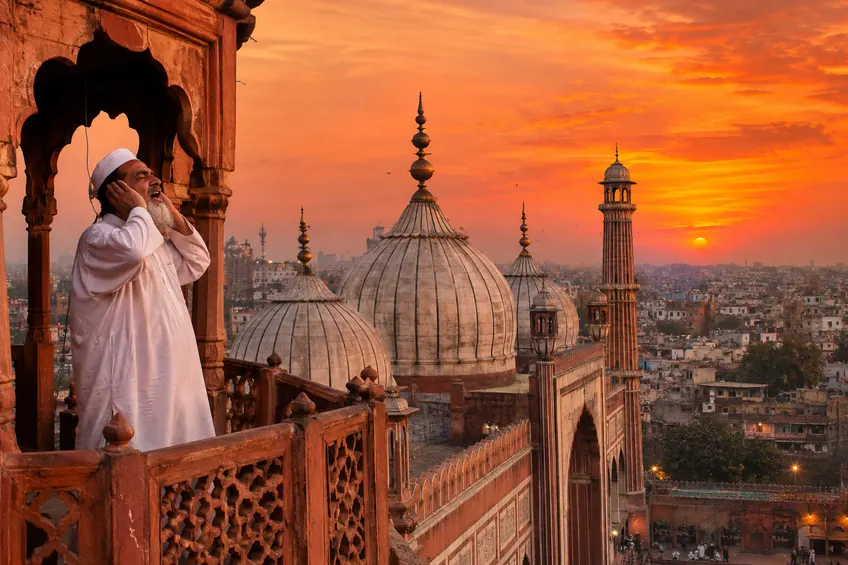
Mosques, Taraweeh and neighbourhood Iftars
Mosques across Hyderabad hold nightly Taraweeh, and many arrange Iftar for travellers, labourers and students. Rows fill up early on weekends and in the last ten nights, so come in good time, bring a mat, and be patient with the crowd outside.
Fasting while travelling or commuting
Buses, rickshaws and the road to Karachi get busy near Iftar, so leave early or break your fast on the way. Keep dates and water handy, and ask a scholar about concessions for longer journeys. Visitors should check local times before departing.
Students and exams in the month
If exams fall during Ramadan, plan revision for after Suhoor and after Taraweeh, when the mind is freshest. Sleep a little at midday, eat sensibly at night, and speak to teachers early about the schedule. A calm routine protects both study and worship.
Satisfying Suhoor dishes for long fasts
A paratha with egg or a bowl of daal and rice can last until afternoon, especially with yoghurt and water. Avoid heavy pickles and overly salty food. Add a banana or dates, and finish eating a few minutes before the Fajr time shown.
Length of the fast through Ramadan
Hyderabad lies in the northern subtropics, so winter days are moderate and lengthen slightly towards the end of the month. Fasts feel comparatively manageable, though the first week is an adjustment. Consult the live timetable for each day's exact Suhoor and Iftar times.
Taking the timetable offline
Print the month's schedule, stick it on the wall, and save the Hyderabad timetable on your phone. Load-shedding or weak mobile signals can interrupt access at awkward moments, so keep alarms set for Suhoor and a copy in your bag at work.
Why local calendars disagree by a minute or two
Different mosque calendars rely on different methods and Fajr angles, and some add a safety margin, so slight gaps are normal. Follow your own mosque's timing if you pray in congregation, and treat the live timetable as a steady reference for Hyderabad itself.
Itikaf in Hyderabad's mosques
Itikaf during the last ten days is common in Pakistan, and many mosques set aside areas for it. Ask the imam about registration, meals and rules, bring bedding and a Quran, and organise work leave and family support ahead of the final nights.
How to use the live timetable for Hyderabad
Open the live timetable, check that Hyderabad is the selected city, and confirm the date. The Fajr entry marks the end of Suhoor, and Maghrib marks Iftar. A countdown shows the next prayer, which saves you from watching the clock.
Seeking Laylat al-Qadr in the last ten nights
Muslims look for Laylat al-Qadr in the odd nights of the last ten, with extra prayer, Quran and du'a. Hyderabad mosques often hold longer vigils, so conserve your energy in the daytime and aim for steady worship over a few exhausting nights.
Eid morning, chand raat and family visits
Chand raat, the night before Eid, brings shopping, bangles and henna, and Hyderabad is known for its glass bangles. On Eid morning, pray together at the Eid congregation, greet one another warmly, enjoy sheer khurma, give Eidi to children, and visit relatives.
Manners for non-Muslim colleagues and friends
Hyderabad's workplaces and campuses include people of many faiths. Non-Muslim colleagues can be thoughtful by avoiding food and drink around fasting co-workers, adapting meeting times near Iftar, and offering a warm greeting. Muslims may share what helps them most.
Staying well in the Sindh winter
February days in Hyderabad are mild, yet dry air can still dehydrate you. Drink water and fruit juices between Iftar and Suhoor, limit fried snacks, rest in the afternoon, and consult a doctor if you manage a health condition.
Du'a and sunnah customs at Suhoor and Iftar
The Prophet encouraged eating Suhoor late and breaking the fast promptly, preferably with dates and water. Many worshippers raise their hands in du'a shortly before Maghrib, then recite the words of Iftar. Keep a short list of supplications beside the dastarkhwan.