Giza Ramadan timetable 2027: Iftar and Suhoor times
What the Giza Ramadan timetable 2027 shows
The Giza Ramadan timetable 2027 is a daily schedule of Iftar and Suhoor times calculated for the fasting month, expected from 8 February to 8 March. Day one in Giza: Suhoor until 05:20, Iftar at 17:38, a fast of 12 h 18 min.
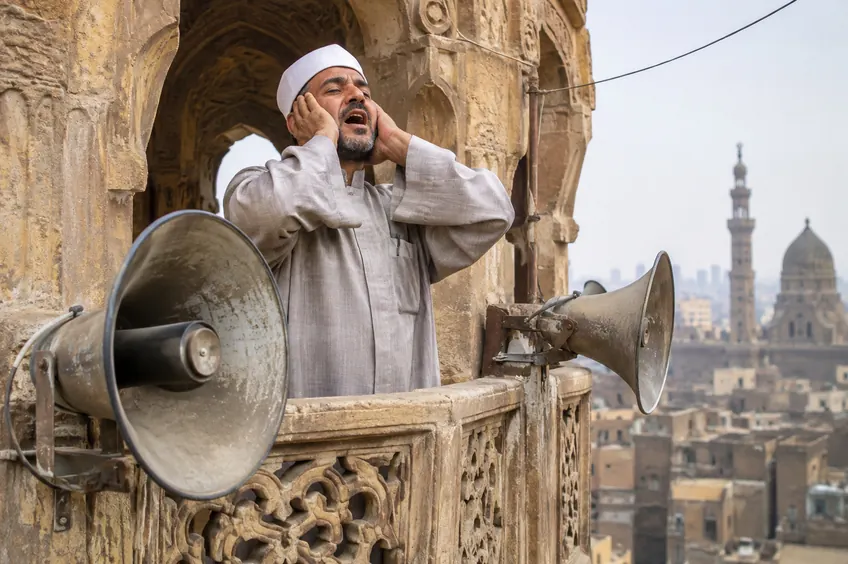
Winter fasting days in Giza are comfortable by comparison
Giza sits in the northern hemisphere, so a February Ramadan brings days that are shorter than in summer. That makes the fast gentler in length, though the day still demands patience. Look to the live timetable for exact beginnings and endings each day.
Keeping cool, hydrated and energised in the dry climate
Even in winter, Giza's dry air and strong sun can dehydrate you. Sip water and milk after Iftar, include fruit and vegetables, and avoid too many fried or sugary dishes. People with long-term conditions should speak to their doctor before the month starts.
Suhoor meals that keep you satisfied until Maghrib
Foul medames with bread, eggs, cheese, yoghurt and olives are familiar Egyptian choices that release energy slowly. Add water and a piece of fruit. Avoid very salty pickles and heavy sweets, because they tend to make the afternoon thirst far worse.
Exercise and sport while fasting
Keep training light and sensible. Many people exercise after Iftar once they have eaten and drunk, rather than during the fast. Gentle walking before sunset is fine for most, but stop at the first sign of dizziness and rest.
Tracking missed fasts and planning to make them up
If you miss a day through illness, travel or other valid reasons, note it down straight away. Make up the days before the next Ramadan, choosing cooler months or convenient weekdays. Keeping a simple list on your phone prevents the count from slipping away.
Seeking the last ten nights and Laylat al-Qadr
The last ten nights are treated as especially precious, and Laylat al-Qadr is sought in the odd-numbered nights. Many families spend more time in prayer, Quran and du'a. Plan some lighter days beforehand so you have energy for worship.
Neighbours, guests and open doors
Hospitality is central in Egyptian homes, and asking a neighbour over for Iftar is a welcome gesture. Prepare simply, because a shared table matters more than a long menu. Ask about dietary needs, and keep some food spare for anyone arriving unexpectedly.
How the day lengthens as the month unfolds
During February and March, days gradually lengthen in Giza, so the fast stretches a little by the end of the month compared with the start. The change is small but noticeable. Check the live timetable regularly instead of memorising one day's schedule.
The Iftar table across Giza's homes and streets
Iftar usually begins with dates, water or a sweet drink, then the evening prayer, then the main meal. In many areas people set up tables for passers-by and the hungry. Contributing to a table, in any modest way, is widely valued.
Quran reading plans that fit a working day
Dividing the Quran into short daily portions makes finishing realistic, for example a page or two at each prayer time. Leave a copy on your desk or in your phone. Should you fall behind, simply carry on calmly instead of rushing to catch up.
Colleagues and friends who do not fast
Should a colleague be fasting, avoid assumptions or pressure, and stay adaptable when arranging meetings. A simple greeting of Ramadan Mubarak is appreciated. Fasting colleagues do not expect you to change your habits, but a little consideration around lunch helps.
Starting out as a new Muslim in Giza
A first Ramadan can feel intense, so start small and ask for guidance from a mosque or trusted friend. Learn the intention, the basic timings and how to break the fast. Mistakes are forgiven, and gradual improvement is better than burning out.
Roads, metro and shop hours before sunset
Traffic in Greater Cairo becomes noticeably tense in the hour before Maghrib, as everyone hurries home. Leave earlier or later than the rush, and keep dates in your bag. Some businesses open late or close early, so check before relying on them.
Finding a mosque for community Iftar and Taraweeh
Many mosques in Giza host Taraweeh, and some organise communal Iftars, often funded through donations. Arrive early on busy nights, carry a prayer mat if you like, and respect the queues. Ask a local imam if you are unsure about a particular rule.